Three upgrades help a New England energy bill more than everything else combined: smarter controls, a tighter house, and equipment that matches the home. In 2026, Mass Save pays for a meaningful share of all three. Here’s the order to do them in, and why the order matters.
1. Start with control: a smart thermostat
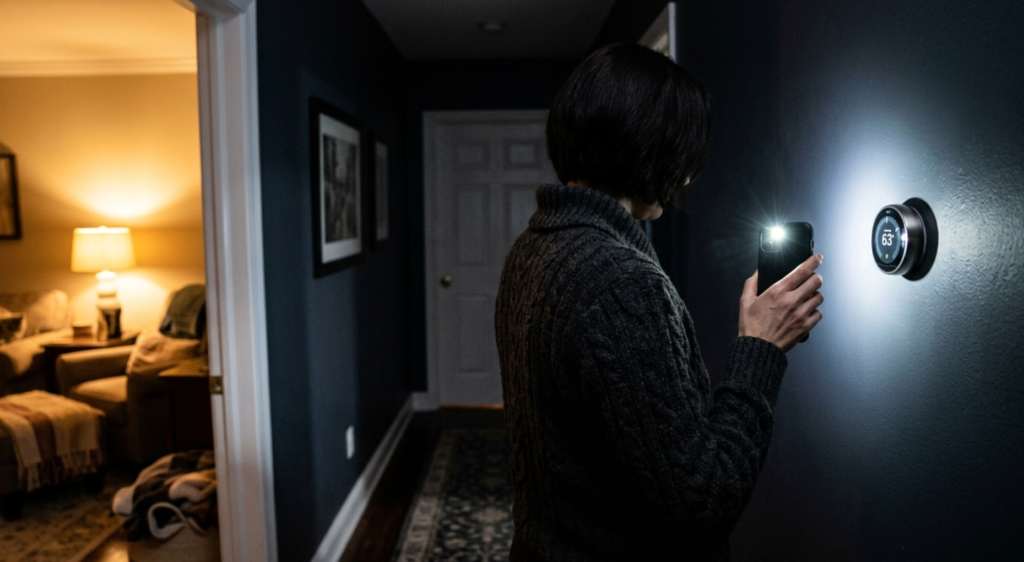
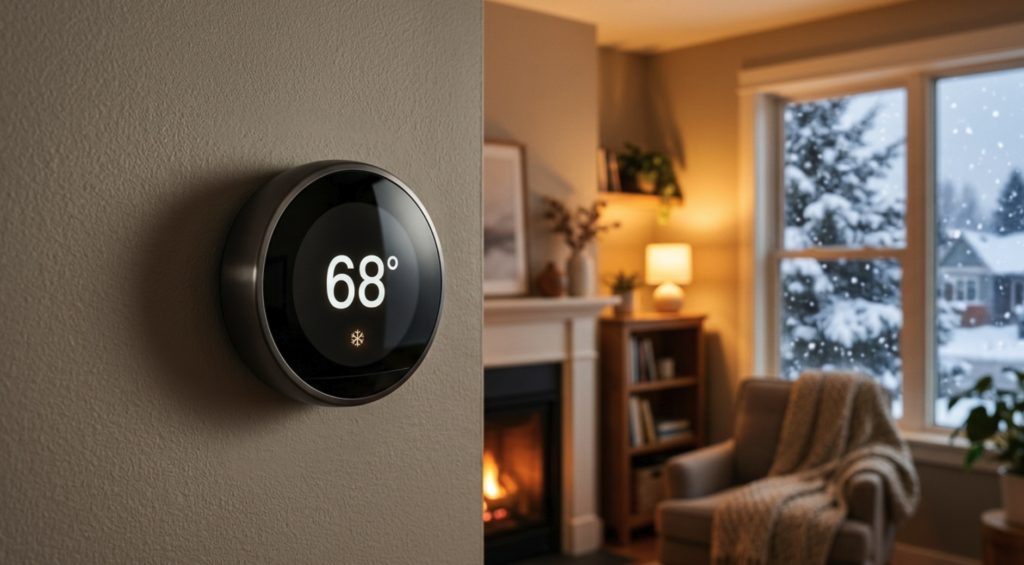
The cheapest efficiency upgrade is not heating an empty house. A properly set up smart thermostat trims heating and cooling runtime by learning your schedule, and it does it without anyone touching a dial. Installed, you’re typically looking at $600 to $1,200 depending on the model and your system’s wiring, and Mass Save offers a rebate that lowers it further, some homeowners even receive one at no cost during a home energy assessment.
One local wrinkle worth knowing: if you have a heat pump, thermostat setup matters more, not less. Aggressive setbacks that make sense with a furnace can force a heat pump into inefficient recovery. The right device configured the right way beats the fanciest one configured wrong.
2. Tighten the envelope: weatherization
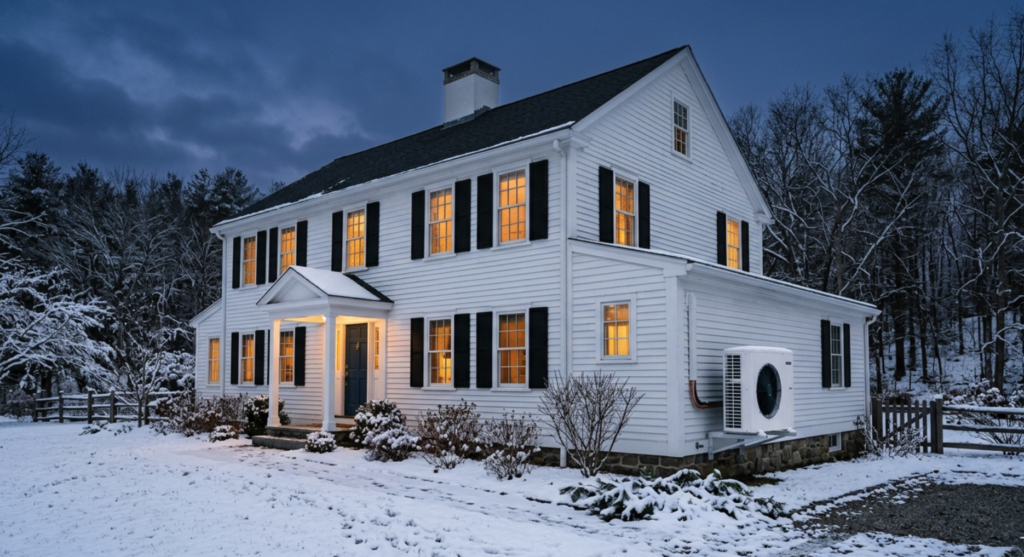
Insulation and air sealing are the least glamorous work on this list and the best return. Heat that leaks through a thin attic or around old sill plates is money you paid for and never felt. The housing stock across Fall River, New Bedford, and Taunton, full of homes built long before modern codes, leaks more than most owners suspect.
This is also where Massachusetts is unusually generous: Mass Save covers 75% of approved insulation costs for standard-income households, and 100% for income-eligible ones. It starts with a no-cost home energy assessment, and the assessment itself is worth doing even if you change nothing, you get a written map of exactly where your house loses energy.
Weatherization also unlocks money elsewhere. The whole-home heat pump rebate requires a sufficiently weatherized house, and a $500 weatherization bonus stacks on top. Tightening the envelope first makes every later upgrade cheaper and every rebate easier.
3. Fix the big iron: right-sized, modern equipment
The furnace, boiler, AC, or heat pump is the biggest energy user in the house, and two things quietly waste money: age and wrong sizing. Equipment from the 2000s often runs at a fraction of modern efficiency, and an oversized system short-cycles, wearing itself out while never hitting its efficient stride.
If your heating system is nearing the end, 2026 is a strong year to look at a cold-climate heat pump: up to $9,500 in standard Mass Save rebates and bonuses, up to $16,000 for income-qualified households, and a 0% HEAT Loan up to $25,000 to finance the balance. If replacement isn’t in the cards yet, annual maintenance keeps your current equipment as efficient as its design allows, tune-ups routinely claw back efficiency the system lost to dirt and drift.
Why this order
Controls first because it’s cheap and immediate. Envelope second because it shrinks the load, which means the equipment you eventually buy can be smaller and cheaper. Equipment last, sized for the tighter, smarter house you’ve already built. Homeowners who go in reverse buy bigger systems than the finished house needs.
Frequently Asked Questions
What’s the single best first step?
Book the no-cost Mass Save home energy assessment. It maps your specific losses, often includes free items on the spot, and unlocks the insulation incentives.
Do smart thermostats really pay for themselves?
Typically within a few heating seasons, faster in bigger or leakier homes. The savings come from runtime you eliminate, not from any magic in the device.
Is weatherization worth it if I’m getting a heat pump anyway?
It’s worth more. The whole-home rebate requires it, a $500 bonus rewards it, and a tighter house lets the heat pump be sized smaller and run cheaper for its whole life.
My house is over 100 years old. Can it actually be made efficient?
Yes, and old homes usually see the biggest gains because they start furthest behind. Plenty of the housing in our area is exactly this vintage, it’s most of what we work on.
Want real numbers for your house instead of averages? Call Triangle Mechanical at (508) 501-7424. Heating, cooling, plumbing, and electrical across southeastern Massachusetts and Rhode Island since 1970.